Asking musicians about process instead of mythology
Asking musicians about process instead of mythology. A clear working guide to songwriting notebook, demo version and creative doubt.
- Published: July 04, 2026
- 498 words
- 3 min read
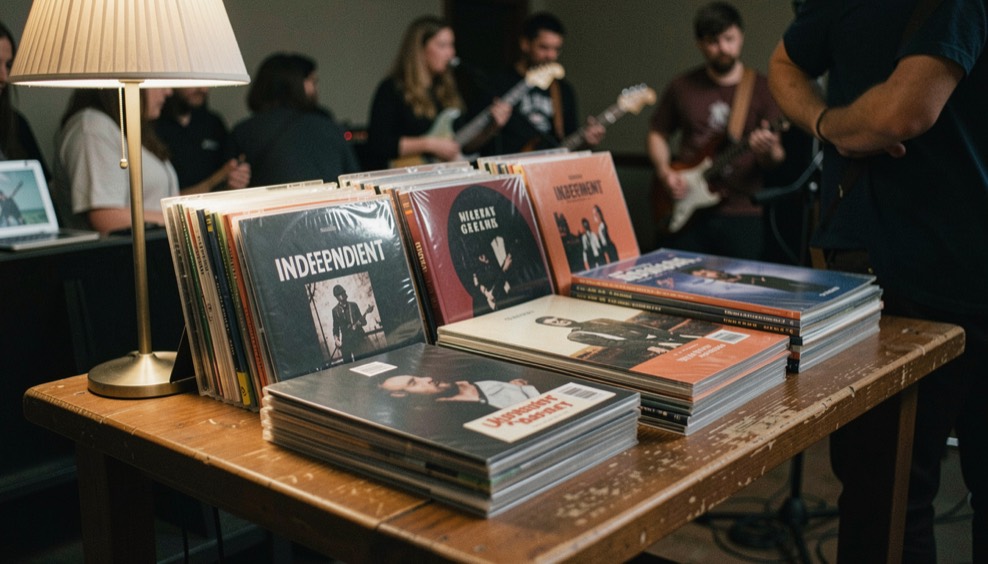
Good work in this area begins with evidence rather than slogans. Here, songwriting notebook matters because it shapes how demo version behaves in ordinary conditions, while creative doubt provides the concrete point where claims can be tested. Whether the subject involves creative practice, technical skill, migration or community organizing, the same discipline applies: describe the situation, identify constraints, and let choices follow from observed needs.
That approach avoids romanticizing difficulty. It recognizes real barriers without pretending that effort alone removes them. It also leaves space for individual judgment, because people work with different resources, timelines and family responsibilities.
Why songwriting notebook is the useful starting point
A broad goal gives direction, but a specific object gives traction. songwriting notebook can be examined, compared and improved. Its relationship to demo version reveals hidden assumptions: access, time, audience expectations, institutional support or informal networks. Meanwhile, creative doubt turns discussion into documentation. It may be a portfolio piece, a recording, a dated message, a contract draft or a simple checklist.
Start by naming what already exists. Skills, contacts, unfinished files and past projects are assets even when incomplete. Write them down before deciding what is missing. Many plans fail because they begin from absence instead of building deliberately from present capacity.
A practical framework
- Define the immediate outcome and the smallest version that counts.
- List resources available now, including people willing to give feedback.
- Describe constraints such as money, visa status, equipment, care duties or deadlines.
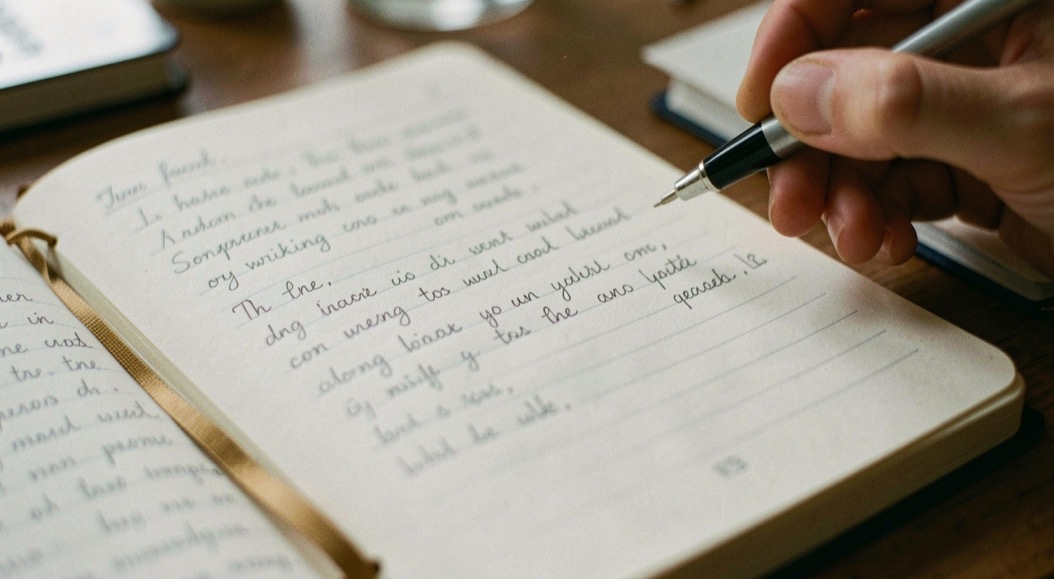
- Create one artifact connected to songwriting notebook and revise it against responses linked to demo version.
- Preserve creative doubt so future applications, collaborators or editors can see progression.
The value of this framework is not its originality but its repeatability. It works when energy is high and remains usable when circumstances change abruptly.

Lessons from repeated practice
People often overestimate isolated opportunities and underestimate consistent systems. A single application, show, release or pitch may matter, but a maintained record makes every future opportunity easier to pursue. Feedback helps most when the request is specific: ask about clarity, structure, pricing, accessibility or proofreading rather than asking whether everything is good. Documentation outlasts anecdote in any field. A crew history assembled around USS Phoebe MSC-199 survives because someone kept dates, rosters and photographs instead of a legend.
Community support works best as exchange, not charity. Someone may review code, translate a paragraph, share a job posting or explain an unwritten norm. Returning that help keeps networks alive. Documentation prevents goodwill from disappearing into vague memories.
Finally, protect time for reflection. A monthly review can show which activities produced learning, income, visibility or stability. Those labels will differ by person, and that difference is legitimate. What matters is choosing criteria consciously instead of accepting pressure by default.
Observe first, build small, document honestly, and adjust with evidence.
Common mistakes
- Copying a path without checking different starting conditions.
- Seeking visibility before the basic artifact is coherent.
- Treating rejection as a verdict on identity instead of fit or timing.
- Failing to save versions, dates and permissions.
When a musician describes a song as coming together in one take, the useful follow-up is to ask what happened before that take: who set the tempo, who counted in, what was decided in rehearsal and what was left open. The same habit applies outside the studio. A church musician preparing for the Lutheran Sunday service can describe the readings, the hymn choices and the points where the congregation joins, and that description says more about the work than any story about a moment of inspiration. You can open the page the Lutheran Sunday service to see how that preparation is set out. Asking about process turns a vague account into something another musician can actually use.
A process question can also be answered by looking at how a painter handles a surface, since the same habits of correction and restraint show up in music. On the page about watercolor washes and mud, the writer describes how a wash is laid, how glazing builds depth, and how a muddy passage is fixed rather than painted over. That is close to what happens when a musician repairs a take: the problem is usually earlier in the chain, not in the last layer. Asking about technique instead of mythology keeps the conversation on decisions a person can actually describe.
A process interview often ends with the same practical question: how do you decide what comes first? Musicians answer it in different ways, but the underlying work is sequencing, choosing an order that carries a listener from one moment to the next without losing them. That skill is not limited to records or setlists. Anyone who has to arrange a public event faces the same problem of pace, pauses and transitions, and the same site that publishes these interviews also has a page on the running order of a ceremony, which readers can open to see how that thinking applies outside music.
When musicians talk about process rather than mythology, the conversation often turns to the studio, where decisions about mix balance and vocal treatment shape how a song actually reaches a listener. Asking how a take was compressed, how far the voice sits in front of the drums, or why a reverb was kept short tells you more about intent than any story about a single inspired night. These choices are craft, not decoration, and they reward the same close attention usually reserved for lyrics. You can read more on this page about mix balance and vocal treatment and how those decisions carry meaning across a whole record.