Planning an alternative wedding ceremony
How to write the running order, assign roles with limits, rehearse transitions and check legal and accessibility points for an alternative wedding ceremony.
- Published: September 16, 2026
- 1252 words
- 8 min read
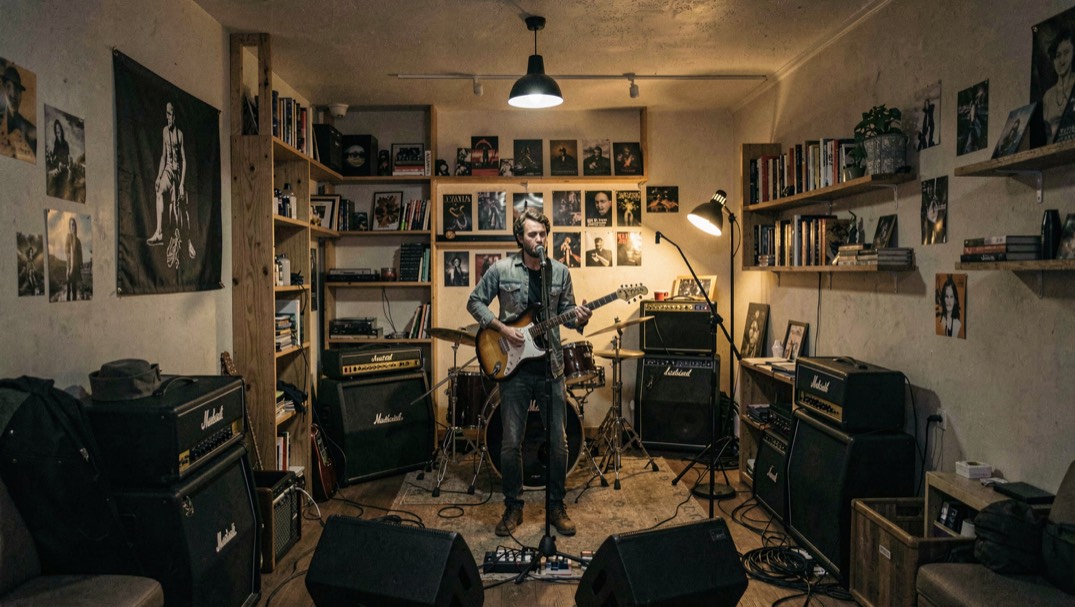
An alternative wedding ceremony is planned around a written running order, a clear map of who stands where, and a rehearsal that drills the transitions rather than the procession. The couple and the officiant settle three things first: the script in one of three formats, the limits placed on family and helpers, and the legal and accessibility checks that must be verified against official sources before the day.
Start with the running order, not the venue
The running order is the document every other decision hangs on. Write it before booking anything that depends on timing, because a ceremony that runs long changes the room, the music and the meal.
Three formats cover most alternative ceremonies. The first is a sequence script: numbered blocks from gathering to recessional, each with a duration, a speaker and a cue. It suits ceremonies with readings, music and several speakers. The second is a beat sheet: five to seven beats such as welcome, remembrance, vows, pronouncement, each one line long. It suits short ceremonies and outdoor settings where timing is loose. The third is a two-column script: what is said on the left, what happens on the right, including who moves, who hands over a ring and when a door opens. It suits ceremonies with complex logistics or a friend officiant who needs to see action and words together.
Whichever format you choose, keep the language adjustable. A script that names the people present, their relationships and the terms they use for themselves reads as written for them rather than borrowed. Leave a blank line beside every gendered phrase so it can be changed on the day if the guest list shifts. For a fuller walkthrough of script structure and role allocation, planning an alternative wedding covers the three formats and the rehearsal method in one place.
Who stands where, and what the limits are
Places and roles are two separate decisions. Places are physical: who sits in the front row, who stands beside the couple, where the officiant stands so both partners and the guests can hear. Roles are tasks: who holds the rings, who signals the musician, who handles the readings, who manages the door.
Clear limits prevent most ceremony-day friction. Give each helper one task and one backup. State the boundary in the script itself, for example that a parent walks in with the couple or sits for the whole ceremony, and that no one is asked to speak without being asked in advance. Family placement is easier when the couple decides the front rows before the rehearsal and communicates it in writing, so no one negotiates seating at the door.
Ask suppliers the questions that affect the running order: how long setup takes, what happens if the ceremony starts late, where the sound equipment sits, and who is authorised to move chairs. A weather plan belongs in the same document. Decide the threshold for moving indoors, who makes the call, and how guests are told, then write it into the running order as a branch rather than a note.
How do you run a rehearsal centred on transitions?
A rehearsal centred on transitions skips the procession and drills the moments where the ceremony can stall. Walk the changes: the move from welcome into the first reading, the handover of rings, the shift from vows into the pronouncement, the signal that starts the recessional.
Run it in this order. Read the script aloud once, standing in place, so everyone hears the whole shape. Then walk only the transitions, each one twice, with the officiant saying the cue line out loud. Then run the full ceremony once at speaking pace, without music, and time it. Finally, run it once with the music cues and the person who controls them.
Give the officiant a marked copy with cues in the margin and a single page containing names, pronunciations, the order of speakers and the emergency contact. Rehearse the pauses as well as the words, because a ceremony that holds silence well feels deliberate rather than slow. If a transition fails twice, simplify it: fewer people moving, fewer objects changing hands, one clear cue.
What legal points must a friend officiant verify?
A friend officiant has to confirm four things with official sources before the ceremony, and none of them can be settled by memory or by a website that is not the issuing authority.
First, who may solemnise the marriage where the ceremony takes place. Rules differ by state and country, and some places require registration, ordination or a licensed witness. Second, what the licence requires: when it can be issued, how long it stays valid, who signs it and whether witnesses are needed. Third, what words are legally required, if any, and whether they must appear in a specific order. Fourth, who files the completed licence and by when.
Check each point against the government office that issues marriage licences in that jurisdiction, and keep a printed copy of the requirements with the script. Where the couple marries across two legal systems, or where one partner is not a citizen, confirm the requirements with both authorities rather than assuming one covers the other. A friend officiant should also confirm their own eligibility in writing, and carry that confirmation on the day.
Accessibility and sensory needs belong in the script
Accessibility is a planning input, not a final adjustment. Map the route a guest takes from arrival to seat, and check it for steps, thresholds, gravel, uneven ground and door widths. If the ceremony moves indoors, confirm the alternative route is step-free too.
Seating should include spaces for wheelchairs, walkers and companions, placed with a clear sightline rather than at the back. Sound matters as much as access: use a microphone even in a small room, keep speakers away from guests who are sensitive to volume, and consider a quiet room or a shaded area for anyone who needs to step out. Print the running order in a readable size, and offer it in advance to guests who need to prepare.
Sensory needs shape the script as well. Announce what will happen before it happens, including any applause, music swell, confetti or sudden movement. Keep the ceremony free of surprises that only the couple and the officiant know about. If a guest needs a sign language interpreter or live captioning, place them where both the speaker and the audience can see them, and give them the final script at least a week ahead.
Interfaith and interreligious wording
An interreligious ceremony can be built as a set of questions rather than a fixed liturgy. Ask each tradition represented what it requires, what it permits and what it prefers to leave out, then write the ceremony so that every element is optional and clearly attributed.
Where a tradition requires specific words or an officiant of its own, place that element as a self-contained block inside the running order, with its own cue and its own speaker. Where two traditions use different names for the same moment, name both in the script so no one feels edited out. Keep the language of gender adjustable throughout, and confirm with each participant how they wish to be described.
A ceremony built this way stays readable to everyone present, including guests who belong to no tradition at all. The running order, the places, the rehearsal and the legal checks are the four documents that make it hold together, and each one should be finished before the day rather than during it.
Music choices often decide how a ceremony feels, and couples planning an alternative wedding ceremony usually want readings and songs that reflect their own lives rather than a fixed template. It helps to look at how older traditions handled the same problem, since hymns, chants and spoken liturgy were built to carry a room through a long service without losing the people in it. Anyone curious about that background can open the page on Lutheran worship in Macon and read how grace, liturgy and hymnody work together in practice. The useful lesson for a wedding is structural: pace the music, leave silence where it matters, and let the words do the work.